Geography at St Gerard’s Catholic Primary School

“Geography is a subject which holds the key to our future.”
Michael Palin
Vision Statement for Geography
Here at St Gerard’s we aim to inspire in pupils a curiosity and fascination about the world and its people that will remain with them for the rest of their lives. Geography plays an important part in this as it can inspire children to think about their own place in the world, their values, and their rights and responsibilities to other people and the environment. We want to provoke questions about the natural and human worlds, developing children’s cultural awareness and knowledge about diverse places, people, resources, and environments.
Intent
The aims of teaching geography at our school are:
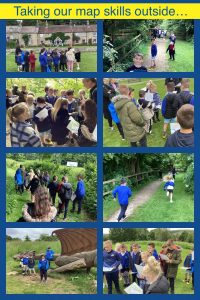
- To provide our pupils with a deep understanding of our planet’s key physical and human processes. To provide opportunities for children to undertake geographical enquiry and skills by investigating and expressing their own views about people, places and environments, both in and outside the classroom.
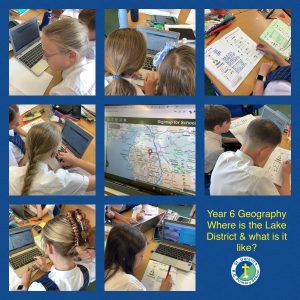
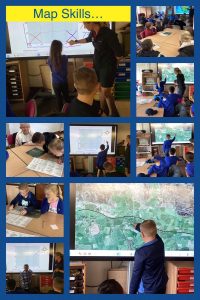
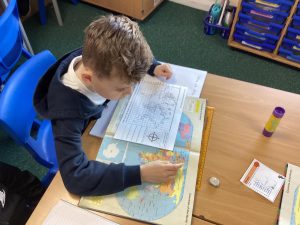
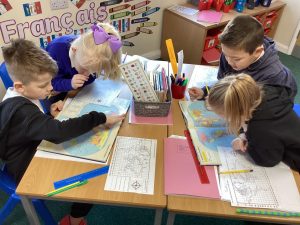
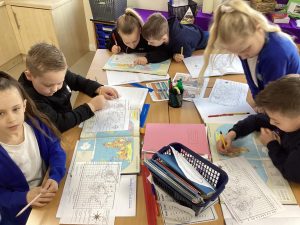
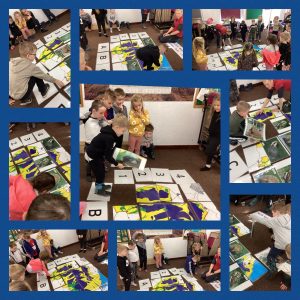
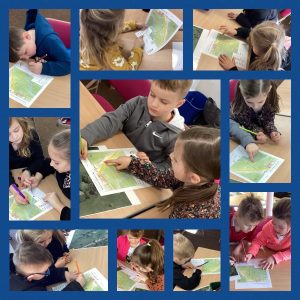
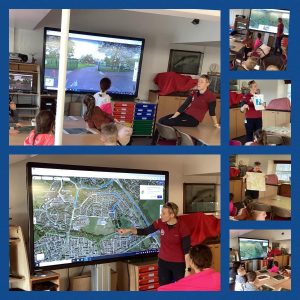
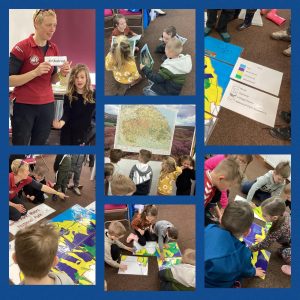
- To develop the skills of interpreting a range of sources of geographical information, including maps, diagrams, globes, aerial photographs and Geographical Information Systems.
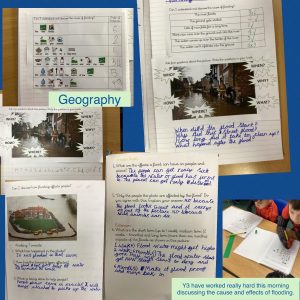
- To help children understand how the human and physical features of a place can change over time and teach children to collect and analyse evidence and draw conclusions.
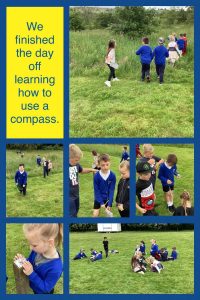
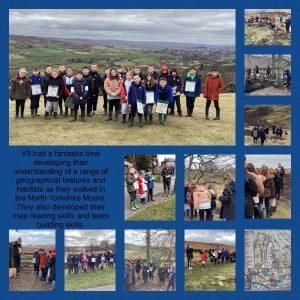
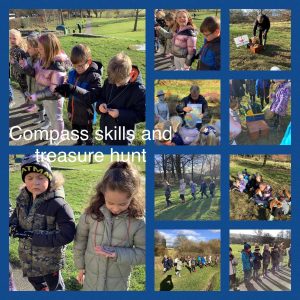
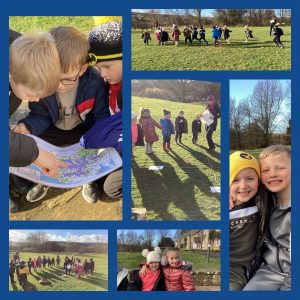
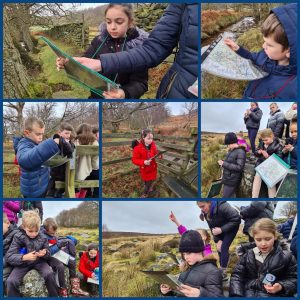
- To enable children to progressively develop their geographical skills (including fieldwork) throughout their school journey.
- To foster enjoyment, satisfaction and curiosity for finding out about places, patterns and processes.
- To inspire the children to be the landscape architects, environmental consultants and the climate scientists of the future.
Implementation
At St Gerard’s, EYFS learning focuses on drawing children’s attention to their immediate environment, introducing and modelling vocabulary. Children become familiar with the human and natural features of their local environment and begin to recognise and draw these features on maps. They will recognise some environments that are different to the ones in which they live.
Teaching and learning in Geography in Key Stages 1 and 2 is based on the CUSP materials ensuring that progression and sequencing are tight, and children have a well-rounded geography education by the end of Year 6. The curriculum has been carefully designed and sequenced to equip our children with a secure, coherent geographical knowledge of their locality, Britain and the wider world. Retrieval practice is at the heart of this, ensuring the prior learning is built on and meaningful connections are made.
At St. Gerard’s, we believe in the importance of educational visits and understand how out of school learning is important to our pupils, ensuring that children’s learning is engaging, relevant and memorable.
Impact
We believe that if children have become knowledgeable and skilful geographers, then they will be able to articulate their understanding with confidence. Therefore, pupil voice will be an important tool in assessing whether children have made progress. The work produced by our children and the discussions they have, should demonstrate that they are equipped with the geographical skills and knowledge that will enable them to be ready for the secondary curriculum and for life as an adult beyond St Gerard’s.
Long Term Plan
Geography Long Term Plan 2024-2025
Useful Link
Geography child friendly sites:
https://www.bbc.co.uk/teach/ks1-geography/zkdxbdm
https://www.bbc.co.uk/bitesize/subjects/zcdqxnb
https://www.bbc.co.uk/bitesize/subjects/zbkw2hv
https://www.bbc.co.uk/teach/ks2-geography/zj7p47h
Games:
https://www.ducksters.com/games/geography_games.php
https://kids.nationalgeographic.com/games
https://world-geography-games.com/
 |
 |
 |
 |
 |
 |
 |
 |
 |
 |
 |
 |
 |
 |
 |
 |
 |
 |
 |
 |
 |
 |
 |
 |